
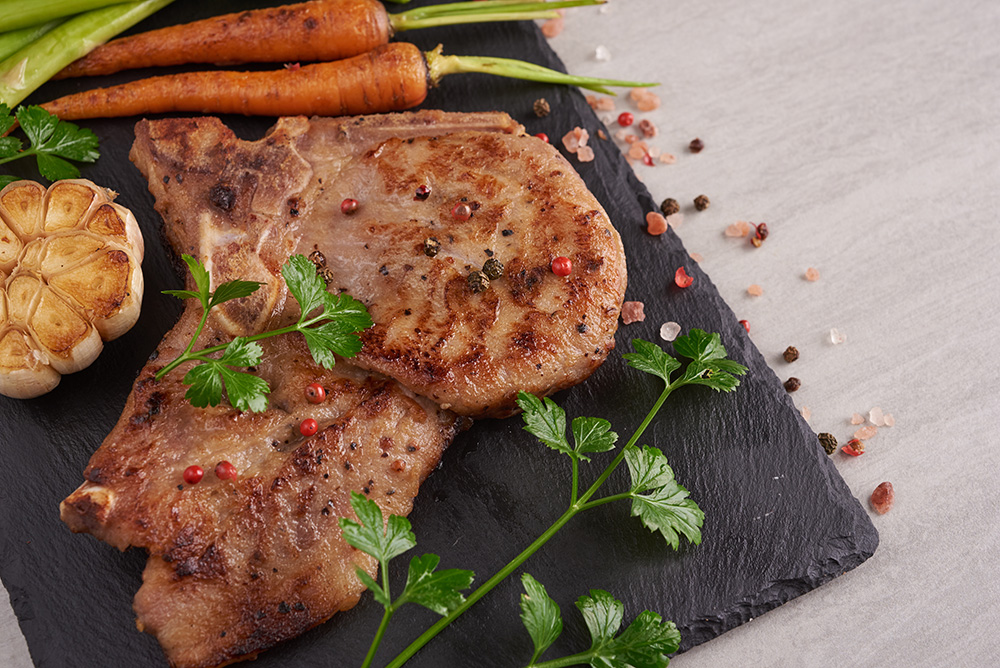
How Long to Bake Pork Chops at 375
Cooking pork chops sounds simple until you actually try to get them just right. I’ve had my fair share of dry, chewy chops before realizing that time, thickness, and internal temperature matter far more than most recipes admit. Baking at 375°F is one of the most balanced methods—hot enough to develop flavor, but gentle enough to retain moisture. The real question isn’t just “how long,” but how to control every variable so the result is consistently juicy.
Below, I break this down in a way that goes beyond generic timing charts—because if you rely only on time, you’ll eventually overcook your meat.
Understanding the Ideal Baking Time at 375°F
Subheading: Why 375°F Is a Sweet Spot
I consider 375°F a “middle-ground” oven temperature. It allows pork chops to cook evenly without aggressively drying out the outer layers before the center is done. Compared to 400°F, which can be harsh, or 350°F, which can be too slow, 375°F gives you control.
For standard pork chops:
- Boneless chops (1 inch thick): 20–25 minutes
- Bone-in chops (1 inch thick): 25–30 minutes
The bone acts as a thermal buffer, slowing heat penetration slightly. That’s why bone-in cuts usually need a few extra minutes.
Subheading: The Real Variable Is Thickness
Time alone is misleading. Thickness changes everything:
- ½ inch: 12–15 minutes
- 1 inch: 20–30 minutes
- 1.5 inches: 30–40 minutes
I’ve found that many people overcook pork simply because they follow a fixed time without adjusting for thickness. That’s where things go wrong.
Internal Temperature: The Only Metric That Truly Matters
Subheading: USDA Guidelines vs Reality
The USDA recommends cooking pork to 145°F (63°C) with a 3-minute rest. That’s the gold standard for both safety and texture.
But here’s where I push back slightly:
If you pull the pork out exactly at 145°F, carryover cooking will push it to around 150°F. That’s fine—but if you overshoot even slightly, you quickly end up in dry territory.
Subheading: My Practical Rule
I personally remove pork chops from the oven at:
- 140–142°F internal temperature
Then let them rest. This gives me consistently juicy results without compromising safety.
Bone-In vs Boneless: Which Bakes Better?
Subheading: Moisture Retention and Flavor
Bone-in pork chops tend to retain more moisture. The bone slows heat transfer and helps prevent overcooking. In my experience, they’re more forgiving—especially for beginners.
Boneless chops:
- Cook faster
- Are easier to portion
- But dry out more easily
Subheading: Efficiency vs Quality
If I’m cooking for convenience, I go boneless.
If I want the best flavor and texture, I choose bone-in every time.
The Role of Brining: A Game-Changer Most People Skip
Subheading: Why Brining Works
Brining increases the water content of the meat and alters protein structure so it retains moisture during cooking.
A simple brine:
- 4 cups water
- ¼ cup salt
- Optional sugar and spices
Soak for 30 minutes to 2 hours.
Subheading: Measurable Impact
Brined pork chops can retain up to 10–15% more moisture during cooking. That’s not a small difference—you can actually taste it.
Subheading: My Take
Honestly, if you’re not brining, you’re relying entirely on timing precision. That’s risky.
Seasoning and Surface Preparation
Subheading: Dry Surface = Better Results
Before baking, I always pat the pork chops dry. Moisture on the surface prevents proper browning.
Subheading: Simple Seasoning Wins
You don’t need complexity:
- Salt
- Black pepper
- Garlic powder
- Paprika
Olive oil helps carry flavor and promotes browning.
Subheading: Searing Before Baking (Optional but Powerful)
If I have time, I sear the chops for 2–3 minutes per side before baking. This creates a crust that baking alone can’t achieve.
Common Mistakes That Ruin Pork Chops
Subheading: Overcooking Out of Fear
This is the biggest mistake. People still think pork must be fully white and dry to be safe. That’s outdated.
Subheading: Skipping Rest Time
Resting for 3–5 minutes allows juices to redistribute. Skip this, and all the moisture ends up on your plate instead of in the meat.
Subheading: Using Time Instead of Temperature
I’ll say it bluntly:
If you’re not using a thermometer, you’re guessing.
Baking Techniques for Different Results
Subheading: Covered vs Uncovered
- Uncovered: Better browning, slightly drier surface
- Covered (foil): More moisture retention, softer texture
I prefer uncovered for flavor, but if your chops are thin, covering them can prevent drying.
Subheading: Oven Position Matters
Middle rack is ideal. Too high, and the top cooks too fast. Too low, and heat distribution becomes uneven.
A Step-by-Step Method I Actually Use
Subheading: Practical Workflow
- Preheat oven to 375°F
- Pat pork chops dry
- Season generously
- Optional: sear in a hot pan
- Transfer to oven
- Bake:
- 20–25 min (boneless, 1 inch)
- 25–30 min (bone-in, 1 inch)
- Check internal temp (140–145°F)
- Rest for 3–5 minutes
Subheading: Why This Works
This method balances:
- Moisture retention
- Flavor development
- Precision
It’s repeatable, which is what most recipes fail to provide.
Final Thoughts: Time Is a Guide, Not a Rule
If there’s one thing I’ve learned, it’s this:
Time gets you close, but temperature gets you right.
Baking pork chops at 375°F works beautifully—but only if you treat time as a variable, not a fixed rule. Once you shift that mindset, your results improve dramatically.
FAQs
1. How long should I bake pork chops at 375°F if they are thin?
For chops around ½ inch thick, bake for 12–15 minutes. Monitor closely, as they can overcook quickly.
2. Is it better to bake pork chops covered or uncovered?
Uncovered gives better browning. Covered helps retain moisture. I choose based on thickness—thin chops benefit from being covered.
3. Can pork chops be slightly pink inside?
Yes. As long as the internal temperature reaches 145°F, a slight pink center is safe and actually preferable for juiciness.
4. Should I flip pork chops while baking?
Not necessary. Baking provides even heat, but flipping halfway can improve even browning if desired.
5. Why are my pork chops always dry?
Most likely causes:
- Overcooking
- No brining
- Not using a thermometer
6. Do bone-in pork chops take longer to bake?
Yes, typically 5 minutes longer than boneless due to slower heat transfer.
7. What is the best internal temperature for juicy pork chops?
I recommend removing them at 140–142°F and letting them rest to reach 145°F.